INTRODUCTION:

Corporal punishment, the use of physical force as a means of discipline, has been a topic of significant debate and scrutiny, particularly in the context of schools.This article delves into the various aspects of corporal punishment, exploring its historical context, its impact on students and alternative disciplinary approaches.
HISTORICAL CONTEXT:
Corporal punishment has deep historical roots, with its use in educational settings dating back centuries. Originally seen as a socially acceptable method of maintaining order and discipline, attitudes towards corporal punishment have evolved over time as societies reevaluate its ethical and psychological implications.
IMPACT ON STUDENTS:
Numerous studies have highlighted the potential negative effects of corporal punishment on students. Beyond the immediate physical discomfort, it can contribute to increased aggression, lower self-esteem and a negative attitude towards learning. Moreover, it has been linked to a higher likelihood of developing mental health issues later in life.

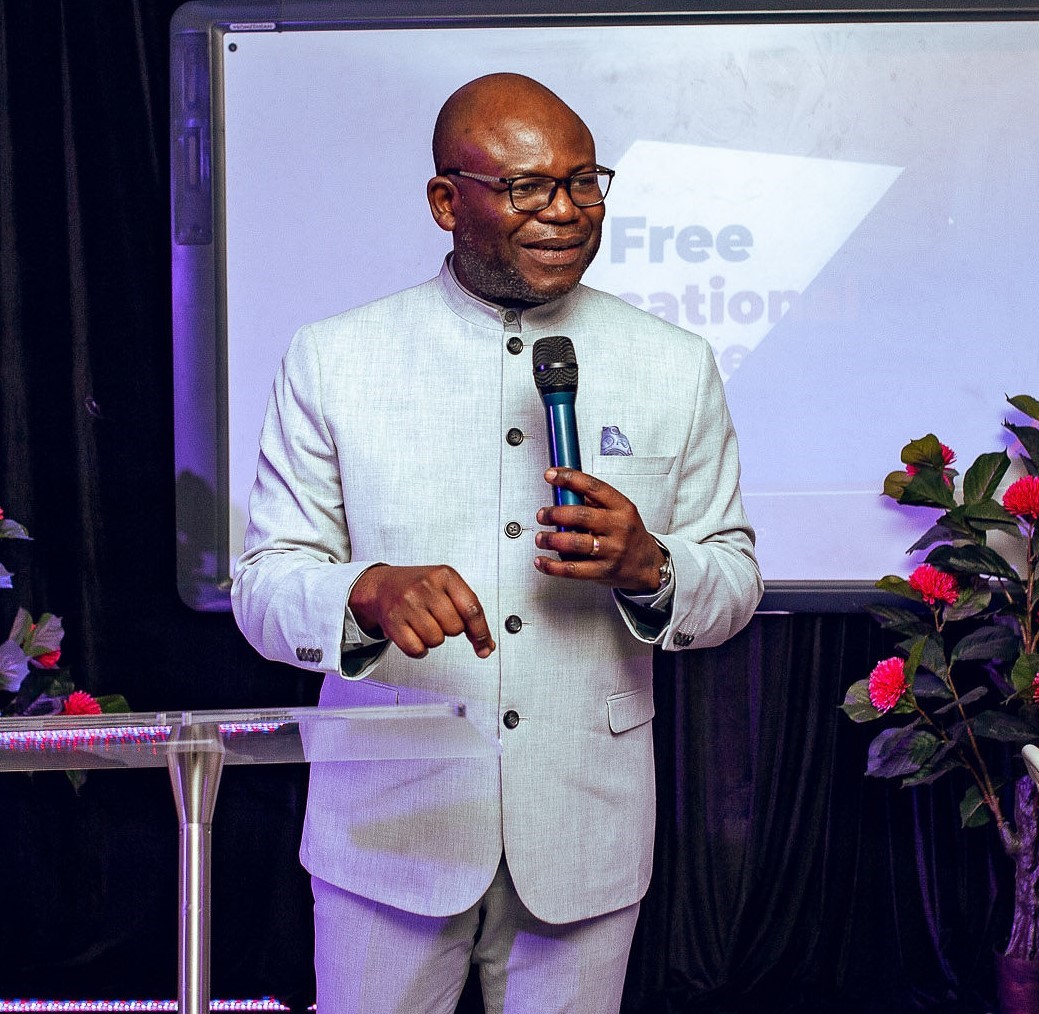
GRANT BULMUO – PROGRAMS DIRECTOR OF AFRICA EDUCATION GATEWAY
LEGAL LANDSCAPE:
Many countries have taken steps to address the issue of corporal punishment in schools. Legislation and policies vary widely, with some nations outright banning its use, while others regulate and limit its application. The debate often centers around finding a balance between maintaining a safe and orderly environment and protecting student’s rights and well-being.
ALTERNATIVES TO CORPORAL PUNISHMENT:
Educators and experts advocate for alternative disciplinary methods that focus on positive reinforcement, communication and teaching social-emotional skills. Restorative justice practices, counselling and conflict resolution programs are gaining recognition as more effective ways to address behavioural issues while fostering a supportive learning environment.
CULTURAL PERSPECTIVES:
Cultural attitudes towards corporal punishment can significantly influence its prevalence and acceptance. It is essential to consider diverse cultural perspectives and values when addressing this issue, recognising that approaches to discipline may vary widely across different communities.
MOVING FORWARD:
As society continues to evolve, the conversation around corporal punishment in schools remains crucial. Educators, policymakers and parents play key roles in shaping disciplinary practices that prioritise the well being and development of students. By promoting positive alternatives and fostering open dialogue, we can contribute to a more compassionate and effective approach to discipline within educational institutions.
CONCLUSION:
Corporal punishment in schools is a complex and multifaceted issue that requires careful consideration. As we strive to create nurturing and inclusive learning environments, it is essential to reassess disciplinary practices, embracing alternatives that prioritise the long term well being and growth of students. By engaging in open conversations and promoting positive strategies, we can contribute to a shift towards more effective and compassionate approaches to discipline in schools.