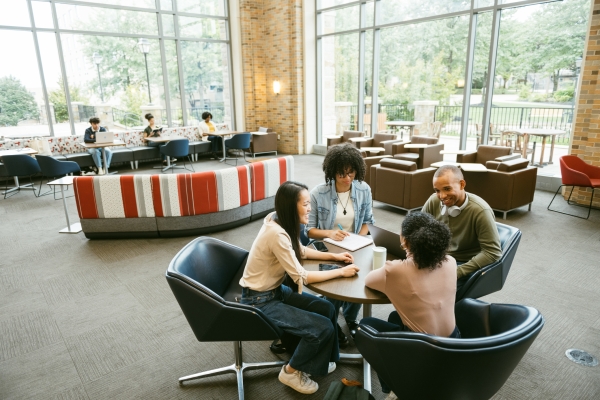

Higher ed can support first-generation students with interest in on-campus co-curricular activities by raising awareness of opportunities and considering the need for flexibility in format and time of day.
ferrantraite/E+/Getty Images
Engagement in collegiate activities, including student organizations, on-campus work and faculty-led research, are considered high-impact practices, tied to higher persistence and graduation rates as well as better overall outcomes among college students.
Recent data from Inside Higher Ed and Generation Lab suggests first-generation students are being left behind in on-campus experiences, highlighting equity gaps in who is benefiting from campus co-curriculars.
A May 2024 Student Voice survey found almost half (47 percent) of first-generation students have not participated in any activities, including student clubs and organizations, research opportunities, paid work or volunteer roles on campus, a figure that was 20 percentage points higher than continuing-generation students’ (26 percent).
Around 17 percent of first-gen students said they view participation in extracurricular activities and events as somewhat unimportant or not at all important to their overall well-being both while in college and after graduation.
Colleges and universities can implement strategies and programs to improve participation in high-impact practices for first-generation students.
- Identify affordable housing. When asked what could encourage students to participate in on-campus events, first-generation students indicated that living closer to campus or on campus could improve their attendance (29 percent). Prior research shows students who live in residential housing are more engaged, report greater feelings of belonging and earn higher grades, compared to their peers, so providing access to housing can improve first-generation student success.
- Create career connections. Thirty-two percent of first-generation students say they would participate in on-campus activities if they saw greater connection to their careers. However, one-third (35 percent) of first-generation students have no experience working with their career centers. Colleges and universities can create more intentional connections between career competencies developed outside the classroom and how it prepares students for their lives after graduation. Coastal Carolina University has a program, Pathway 1954, that provides students with a guide map to develop a co-curricular transcript and develops their interpersonal skills.
- Build flexible extracurricular schedules. The top initiative Student Voice respondents indicate would improve their on-campus engagement is greater convenience of timing and location of events and activities. First-generation students often work or are responsible for assisting their families, which can put a strain on their time and resources. At Pepperdine University, staff help break barriers to participation for first-generation students by encouraging them to meet with peer mentors by booking an appointment online or dropping by for office hours. This helps build community and decreases obstacles to engagement.
- Allocate funding for student work. One in five (21 percent) first-generation students indicated off-campus work hindered their on-campus participation, and an additional 5 percent said on-campus work was a hurdle. Beyond that, 20 percent of respondents indicated more opportunities for paid work on campus would increase their involvement at their institution. Providing opportunities for paid experiential learning, such as research or study abroad, can address financial concerns for learners and deepen students’ experiences while enrolled.
- Highlight opportunities for students. Similar to their continuing-gen peers, first-gen students are often unaware of the breadth of spaces they can contribute to on campus. Peer mentorship can be one way to make students more familiar with navigating campus and reveal the hidden curricula of college. Many institutions have a first-generation orientation, but continuing conversations can make sure students aren’t left behind.
- Build community across campus. Sometimes, first-generation students can feel alone or impostor syndrome as they navigate higher education. One-quarter of first-generation Student Voice respondents said they would be more involved if they felt more like they belong. College leaders or practitioners who are first-generation graduates themselves can serve as role models to aid students as they navigate college. Seton Hall University holds First-Generation Fridays throughout the academic year, which include in-person events, community meetings and social media posts to recognize first-gen students, faculty and staff. Penn State launched a first-year seminar focused on first-generation students in the College of Agricultural Sciences, which helps connect learners to their peers and ease the transition into higher education.
How does your college or university encourage first-generation student success? Tell us more here.