
Dive Brief:
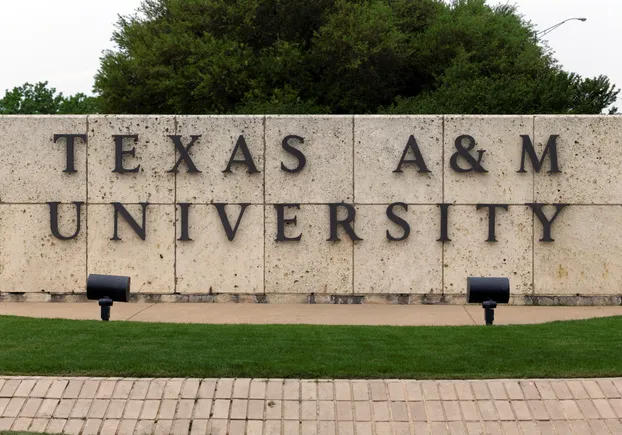
- Texas A&M University System leaders are facing a new legal challenge to the system’s restrictions on teaching about race and gender that alleges they amount to unconstitutional censorship of academic matters.
- The 12-university system last fall revised its policies to bar courses that “advocate race or gender ideology, or topics related to sexual orientation and gender identity,” while stating that some graduate and non-core courses could teach those topics with approval from the university president.
- In a complaint filed Monday, the American Association of University Professors and four faculty members argue that the restrictions violate instructors’ free speech and due process rights and asked a federal judge to block them and restore courses that administrators have canceled.
Dive Insight:
AAUP and the professors allege that the new course policy takes sides on certain academic subject matter.
“An instructor may teach that a person’s sex and gender are the same, but not that they may differ; may present the case that systemic racism does not exist or is a sham, but not present the case that it does exist or how it impacts social groups, even to explain the diverging viewpoints to students,” they argue in the complaint.
The plaintiffs allege the policy has led to several instances of censorship since November, including:
- A professor who would have had to cancel a course had he not dropped readings by the ancient Greek philosopher Plato that discuss a mythic time when some humans were both male and female until Zeus split them.
- A professor who could not teach about “the Fourteenth Amendment’s expansion of LGBTQ+ rights, yet was allowed to teach about Phyllis Schlafly’s views on the harms of gender equality under the Equal Rights Amendment.”
- An instance where, according to the complaint, “a professor was permitted to assign readings discussing an anti-gay activist, while another professor was barred from teaching an Academy Award-winning best picture that focused on a gay character.”
Along with violating free speech, the restrictions come with “insufficient guidance as to what may or may not be taught, assigned, or said in a classroom, and allows virtually unfettered enforcement discretion such that disfavored viewpoints can be censored,” they allege. They also wrote that the policy “fails to define in any way what it means for a course to ‘advocate.”
Chris Bryan, the Texas A&M System’s vice chancellor for marketing and communications, said Tuesday in an emailed statement, “We believe this lawsuit is without merit and the System will vigorously defend its policies and procedures.”
The Texas A&M regents revised its policies on Nov. 13 in a move they framed as “a decisive stand” to “restore public trust in higher education.”
“This effort is really about ensuring we balance academic freedom with academic responsibility,” system Chancellor Glenn Hegar said in a statement at the time.
The content restriction policy defined “race ideology” in part as a concept that “attempts to shame a particular race or ethnicity, accuse them of being oppressors in a racial hierarchy or conspiracy” or assign them “intrinsic guilt based on the actions of their presumed ancestors.” It also blocked course content that “promotes activism on issues related to race or ethnicity, rather than academic instruction.”
Regents defined “gender ideology” as “a concept that self-assessed gender identity should replace the biological category of sex or that biological sex has less value or legitimacy than self-assessed gender identity.”
According to the lawsuit, at least six classes at the system’s flagship campus in College Station were abruptly canceled due to the policy by the early weeks of the spring 2026 term, and three have been canceled ahead of the fall semester. Seven others required mitigation, which the plaintiffs described as censorship, for approval.
Earlier this summer, AAUP sued over a similar policy at Texas Tech University System. A May poll of Texas Tech University faculty found that nearly half of respondents said they altered course content without being asked in response to the university’s directives on teaching about race, sex and gender. Surveyed faculty reported that 277 courses were affected.