
Two years into the pandemic, governments worldwide have started to relax their social distancing policies. However, healthcare systems continue to be severely impacted by ongoing infections and a growing backlog of patients waiting for planned treatments.

While vaccines have been extremely successful in reducing hospitalization and mortality rates, infection control policies continue to affect our hospitals’ regular operations. In many respects, COVID-19 created a perfect storm. It came at a time when many healthcare systems were already severely stressed, dealing with an increasing burden of disease within aging populations, and chronic staff shortages.
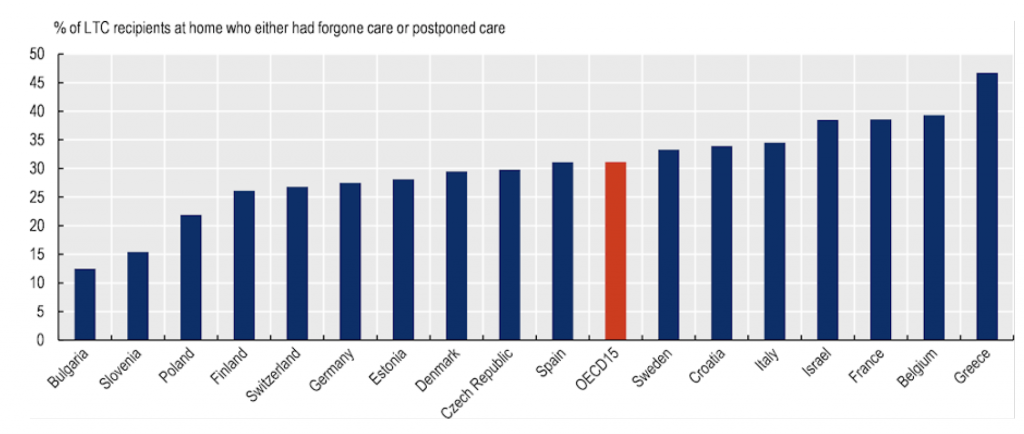
The pandemic suspended most non-urgent, elective procedures and ambulatory care; consequently, the care backlog increased. In England alone, 6 million people were waiting for treatment at the end of December 2021. It’s estimated that 8 million people have undiagnosed conditions, and these are the people who stayed away from their healthcare providers for fear of catching COVID-19.1 The situation is similar across Europe and North America, with the Organization for Economic Co-operation and Development (OECD) reporting significant numbers of people with long-term conditions missing essential aspects of their care.2
They say, “necessity is the mother of innovation,” which was clearly the case during the pandemic. Rapid development of vaccines, novel use of medicines to treat infected patients, and monumental acceleration of virtual care paint a picture of innovation. Post-pandemic, some commentators are suggesting this innovation should continue with the recovery, giving countries a unique opportunity to change things for the better, addressing health inequalities, and increasing sustainability.3
From a technology perspective, healthcare providers can utilize the lessons learned throughout the pandemic. They can implement new ways to accelerate the flow of patients from their backlog into treatment and then onto a swift discharge and rehabilitation.
At each stage of this journey, keeping in regular contact with the patient will be critical to the success of the entire process. In many ways, the operational complexity of managing backlogs, clinical capacity, and staff schedules echoes the complexity and interdependencies of the underlying technical infrastructure. Keeping patients quickly flowing through the system requires each cog in that system to work flawlessly, at all times.
Adopting a cross-architectural view of their IT infrastructure and a platform approach will enable healthcare providers to accelerate their digital capabilities, automate patient outreach through technology and self-service, and increase the flow of patients through the care continuum.4
From a patient’s perspective, healthcare providers should be deploying digital solutions that can:
- Utilize the time before treatment to educate and inform patients about their condition5
- Monitor changes in circumstance that may alter the priority or treatment pathway
- Gather pre-operative information and prepare patients for admission
- Streamline the journey through the hospital by tracking people and assets
- Reduce in-patient stays by enabling patients to go home as soon as they are medically fit
- Prevent unnecessary readmission by providing post-acute remote care or monitoring
- Observe each stage of the digital journey to ensure it is meeting expectations
Ultimately, the number of patients waiting for treatment will normalize when care teams have the capacity to treat them. While automated processes and artificial intelligence augment the skills of a healthcare professional, they will never replace the human touch. To address the workforce challenges, healthcare providers will need to reimagine clinical operations and adopt technology-driven processes that increase efficiency. This will lessen the burden on clinical staff and keep people within the healthcare profession.
Rapid innovation was commonplace at the height of the pandemic, with virtual care becoming the norm. Although the direct impact of the pandemic on society is now waning, there are more people waiting for treatment now than ever before. To address this backlog, healthcare providers must continue innovating, expanding their digital offers by investing in their underlying technical infrastructure, adopting a cross architectural approach, and ensuring that their digital solutions provide a frictionless experience to patients and staff.
Sources:
- NHS backlog & waiting times in England
- Rising from the COVID 19 crisis: Policy responses in the long-term care sector
- WHO Manifesto for a healthy recovery from COVID-19
- The platform play: How to operate like a tech company
- NHS Wait Well program
Share: